
Emergency Fund Basics: Your Financial Safety Net
An emergency fund is crucial for weathering unexpected financial storms. Learn how to calculate your ideal emergency fund size, where to keep it, and strategies for building it quickly and efficiently. We'll cover everything from setting up automatic transfers to identifying expenses you can cut to accelerate your savings. Consider this: if you faced a sudden car repair or medical bill, how would you handle it? An emergency fund provides peace of mind and prevents you from resorting to high-interest debt.
Practical Example:
Let's say your monthly expenses are $2,500. Aim to save 3-6 months' worth, which would be $7,500 to $15,000. Start small by saving $50 a week, and gradually increase it as you become more comfortable.
Reflection Prompt:
What are your biggest financial fears? How could an emergency fund alleviate those worries?

Saving for Short-Term Goals: Making Your Dreams a Reality
Whether it's a vacation, a new gadget, or a down payment on a car, short-term goals add excitement to life. Learn how to set realistic timelines, create a dedicated savings plan, and track your progress. We'll explore different saving methods, from high-yield savings accounts to micro-investing platforms. Discover the power of visualization and how keeping your goal in mind can fuel your motivation. Short-term goals are stepping stones to bigger achievements and provide a sense of accomplishment along the way.
Practical Example:
Planning a $1,000 vacation in 6 months? Save approximately $42 per week. Use a budgeting app to track your spending and identify areas where you can save extra.
Reflection Prompt:
What short-term goal would bring you the most joy right now? How can you break it down into smaller, manageable savings targets?

The Power of Consistency: Building Sustainable Saving Habits
Consistency is key to long-term financial success. Learn how to create sustainable saving habits that seamlessly integrate into your daily life. We'll discuss strategies for automating your savings, setting up reminders, and rewarding yourself for reaching milestones. Discover the importance of tracking your progress and celebrating small wins. Building a consistent saving routine is like planting a seed; with consistent care and attention, it will grow into a thriving financial future. It is not about the amount, it's about maintaining the habit.
Practical Example:
Automate a weekly transfer of $25 from your checking account to a savings account. This small, consistent amount can add up significantly over time.
Reflection Prompt:
What is one small saving habit you can implement today? How can you make it enjoyable and sustainable?

When to Seek Professional Financial Advice
While Wise Wallet provides valuable resources, there are times when seeking professional financial advice is essential. Learn when to consult a financial advisor, how to find a qualified professional, and what questions to ask. We'll discuss the benefits of personalized financial planning and how it can help you achieve your unique financial goals. From retirement planning to investment strategies, a financial advisor can provide expert guidance and support.
Practical Example:
Consider seeking advice if you have complex financial situations, such as managing investments, planning for retirement, or dealing with significant debt.
Reflection Prompt:
Do you have any complex financial situations that would benefit from professional advice? What are your key concerns about your financial future?
Long-Term Savings Strategies: Planning for the Future
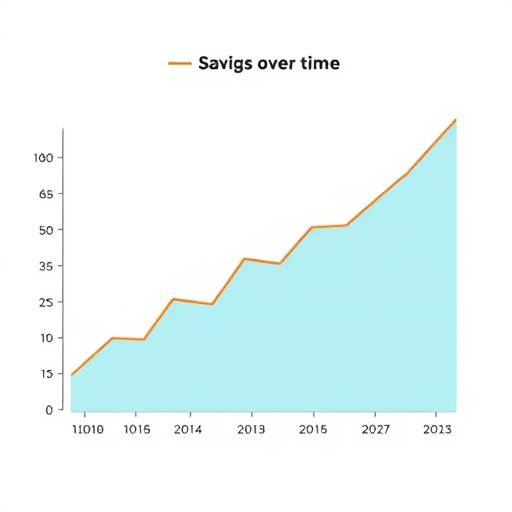
Planning for the long term is crucial for financial security. Explore different long-term saving strategies, including retirement accounts, investment options, and estate planning. We'll discuss the importance of starting early and the power of compound interest. Learn how to set realistic long-term goals and create a roadmap to achieve them. Building a secure financial future requires foresight and planning.
Practical Example:
Contribute regularly to a 401(k) or IRA account to take advantage of tax benefits and compound interest. Even small contributions can make a big difference over time.
Reflection Prompt:
What are your long-term financial goals? What steps can you take today to start planning for the future?
Budgeting Basics: Tracking and Analyzing Your Spending
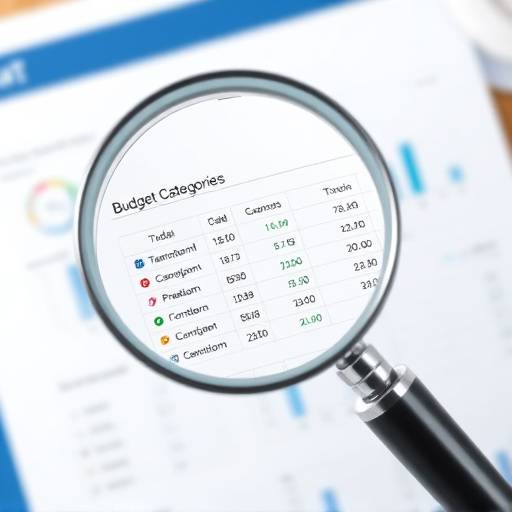
Understanding where your money goes is the first step to effective saving. Learn how to create a budget, track your spending, and analyze your financial habits. We'll explore different budgeting methods, from traditional spreadsheets to modern budgeting apps. Discover how to identify areas where you can cut back and allocate more funds towards your savings goals. A well-managed budget provides clarity and control over your finances.
Practical Example:
Use a budgeting app to track your spending for a month. Identify areas where you can reduce expenses and redirect those funds to your savings goals.
Reflection Prompt:
What are your biggest spending pitfalls? How can you create a budget that helps you stay on track?